
Note: The most recent local market data referenced here is from early 2026. National construction data is from the 2025 building season, published by NAHB in mid-2026.
If you own a rambler in Roseville, you've probably had this thought: with everyone talking about single-level living lately, is my home worth more than it used to be? It's a fair question. And if you're a buyer, you may already be searching specifically for one-story homes and wondering if you've missed the window.
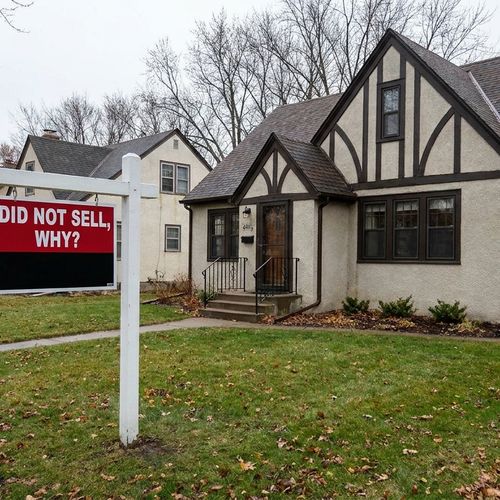
Here's what I'll say upfront: there is real momentum behind single-level living, and Roseville is genuinely well-positioned for it. But "more popular" and "automatically worth more" aren't the same thing. The value still comes down to the specific home.
Key Takeaways
- Buyer interest in one-story homes is growing across age groups, not just among retirees, which widens the pool of potential buyers for Roseville ramblers.
- National data backs the trend: one-story home starts rose from 47.5% to 48.6% nationally between 2024 and 2025. In Minnesota's region, one-story homes made up 54.3% of 2025 single-family starts.
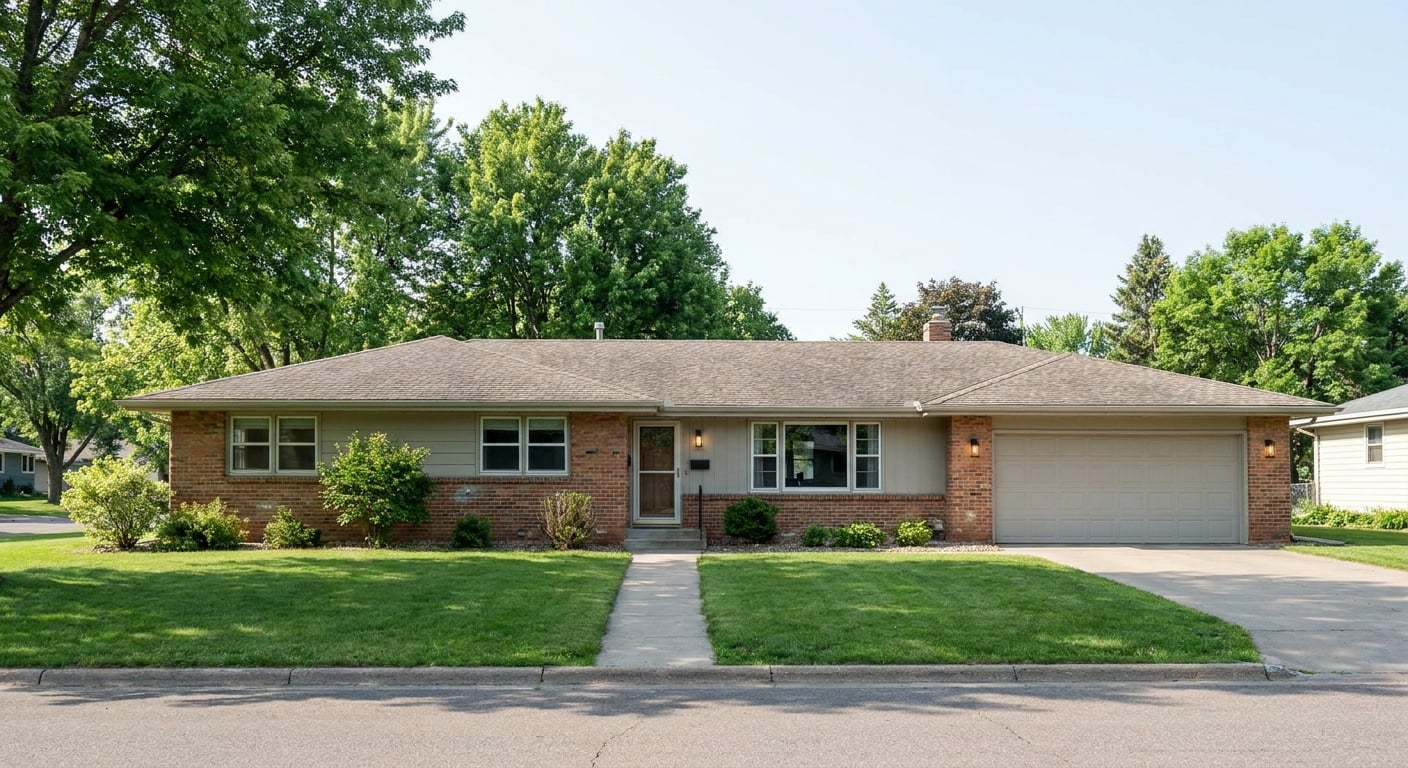
- Roseville's housing stock is a genuine asset: 75% of homes were built before 1980, and many are well-constructed 1950s and 1960s ramblers on spacious lots, starting in the $300s.
- Layout and condition still drive value. A dark, closed-off rambler with a wet basement won't ride a trend to a strong sale price.
- Targeted improvements tend to outperform full remodels before listing.
- Buyers should inspect carefully: sewer lines, radon, electrical, and plumbing all deserve attention in homes from this era.
- Location is a real selling point: quick access to Highway 36, I-35W, Rosedale, downtown Minneapolis, and downtown Saint Paul makes these neighborhoods easy to live in day to day.
Are Roseville Ramblers Becoming More Valuable?
The honest answer is: it depends on the home, but the conditions are favorable.
Nationally, the NAHB reported that one-story homes made up 48.6% of single-family starts in 2025, up from 47.5% the year before. Here in the West North Central region, which includes Minnesota, one-story construction accounted for over half of new single-family starts. That's new construction data, not resale, so it tells us where buyer preferences are heading rather than what your specific home will sell for.
What it does confirm is that more buyers are actively looking for single-level homes. That matters for Roseville, because we have a lot of them. And not just any ramblers. Many of the 1950s and 1960s homes in this city were built on generous lots, with solid construction that holds up well over time. These are genuinely easy homes to maintain and work on. That's not marketing language; it's just what I've seen after working in this market for years.
Roseville's rolling annual median sale price rose about 7.1% through early 2026, though that's across all property types. A citywide median doesn't tell a seller what they actually need to know. The number that matters is how your home compares to the ramblers that sold in the last six months within a mile of your front door.
Why Do Roseville Ramblers Appeal to So Many Buyers?
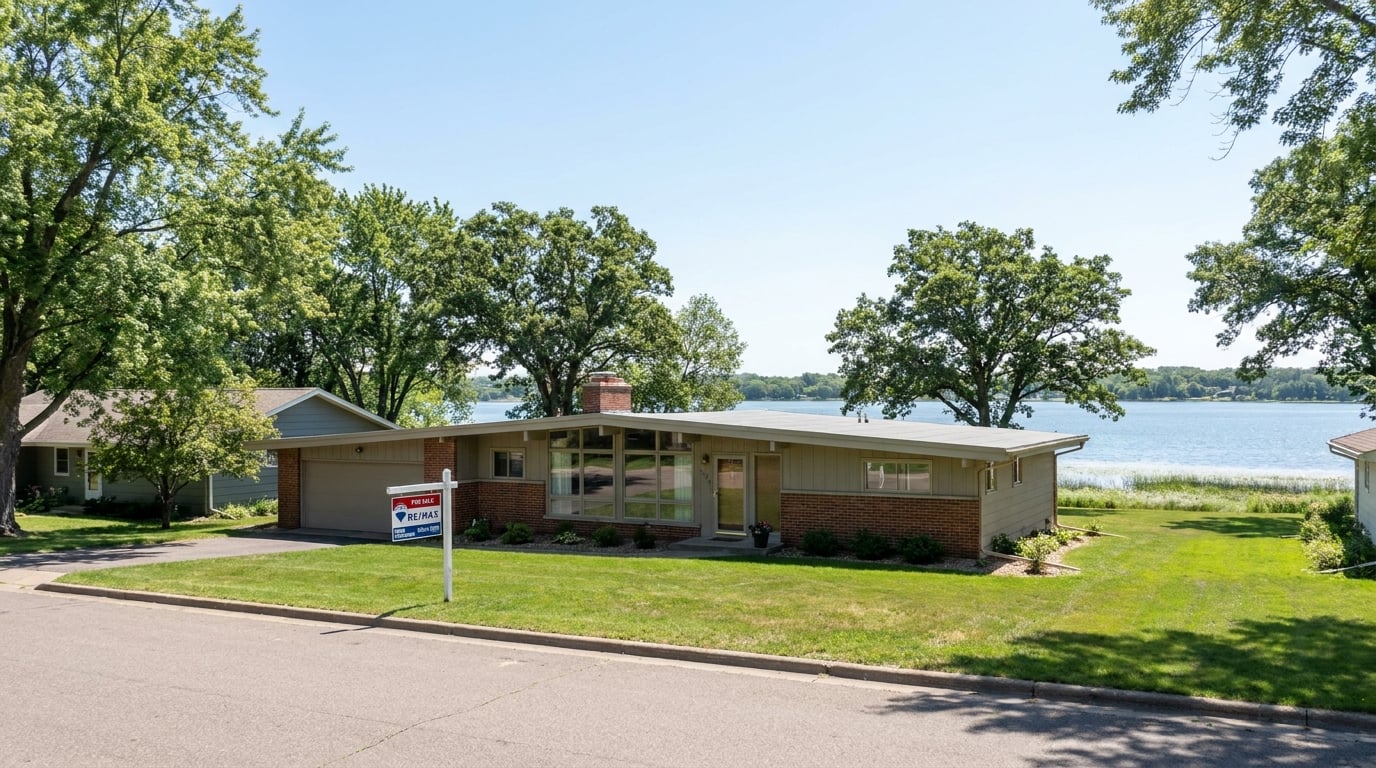
This is the part that surprises some people. The interest in ramblers isn't coming from just one type of buyer.
Baby boomers and downsizers are drawn to one-level living for obvious reasons: fewer stairs, simpler daily routines, and a home that keeps working well as life changes. But younger families are also paying attention. A lot of them like having everyone on the same floor, especially with young kids in the house. And buyers thinking about aging in place but not ready to move yet? They're looking too.
Roseville's location makes all of this more appealing. These neighborhoods sit close to:
- Highway 36, I-35W, and I-35E, so getting around the metro is straightforward.
- Rosedale Center and surrounding retail for everyday errands.
- Central Park, Lake McCarrons, Lake Owasso, and Lake Josephine for walking, biking, fishing, swimming, and easy outdoor time nearby.
- Well-regarded local schools, which keep Roseville on the radar for many buyers planning to stay awhile.
- Both downtowns, Minneapolis and Saint Paul, within about 20 to 30 minutes.
It's just an easy lifestyle. Good access, solid housing stock, nearby outdoor space, and schools that appeal to many buyers all add to the draw. That combination is hard to find, and buyers are starting to recognize it more.
One thing worth flagging: one-story style doesn't automatically mean stair-free. Many ramblers have steps from the garage, basement laundry, or a split entry. Buyers planning for long-term accessibility should look at how the whole home actually functions, not just the floor count.
Which Rambler Features Support Resale Value?
When I walk through these homes with buyers, a few things consistently shape how they respond. It's rarely one big feature. It's usually a combination of smaller things that add up to a home that feels livable and well cared for.
| Feature | Why Buyers Care | What Sellers Should Know |
|---|---|---|
| Main-floor laundry | Fewer daily trips downstairs | Worth verifying feasibility before listing |
| Attached garage | Sheltered entry, especially in a Minnesota winter | Note any steps between garage and main floor |
| Open, well-lit layout | Ramblers can feel dark; bright ones stand out | Lighting is often the cheapest fix with the biggest payoff |
| Dry lower level | Usable square footage buyers can actually picture | Resolve moisture issues before listing |
| Updated mechanicals | Buyers want to know what they're taking on | Document furnace, water heater, and roof dates |
A few other things come up regularly:
- Lot size: Roseville ramblers often sit on larger lots than you'd find in comparable Saint Paul neighborhoods. Buyers notice that.
- Driveway and garage entry: Small details, but they matter for Minnesota winters and for older buyers.
- Roof condition: Easy to miss in photos, almost always flagged by an inspector.
What Should Buyers Check in an Older Rambler?
Roseville ramblers from the 1950s and 1960s are generally well built. Straightforward framing, accessible mechanical areas, construction that holds up. But well built doesn't mean maintenance-free, and some of these homes are carrying 60 or 70 years of history.
Here's what I'd want any buyer to look at carefully before closing:
- Foundation and drainage: Watch for water stains, efflorescence on basement walls, or soil grading that slopes toward the house.
- Plumbing: Older homes may have galvanized steel pipes that restrict water flow and corrode over time.
- Electrical: Some homes from this era still have 60-amp panels or older wiring that needs updating.
- HVAC and water heater: Age and remaining useful life factor directly into what a buyer is taking on financially.
- Insulation: Attic and wall insulation in older ramblers often falls short of current standards.
- Basement height and egress: Finished space only adds real value if it's genuinely livable and meets current code.
- Permits for past work: Any additions or renovations should have documented permits on file.
Two things I'd flag specifically: get the sewer line scoped before you close. Roseville homeowners are responsible for the service line from the main to the house, and older clay or cast iron lines can fail without much warning. Also, radon testing is standard practice in Minnesota and especially worth doing in a home with significant below-grade space.
Which Updates Help a Roseville Rambler Sell?
The goal before listing isn't to renovate the house. It's to help buyers see it clearly and feel confident about what they're buying.
Start with the basics:
- Clean and declutter, especially the basement and garage, which tend to absorb years of stuff.
- Paint the rooms that look dated, without painting every wall in the house.
- Replace dim or outdated light fixtures, which is often the cheapest improvement with the most noticeable return.
- Address flooring in the main living areas if it's worn or visually distracting.
- Fix anything that would likely come up in an inspection, especially deferred maintenance.
Bigger projects, like relocating laundry to the main floor or opening up walls, can make sense in certain situations. But the math has to support it. If comparable homes without that improvement are selling at the same price, it may not be worth the investment.
Roseville also has postwar remodeling resources for owners thinking longer-term about their home. Worth a look if you're not selling immediately but want to make thoughtful improvements.
Most sellers are really choosing between three paths:
- Sell as-is, priced honestly to reflect condition.
- Make targeted improvements focused on first impressions and inspection risk.
- Invest in a renovation only when comparable sales support the return.
A quick conversation with someone who actually knows Roseville ramblers will help you figure out which one fits.
Frequently Asked Questions
Is a Rambler the Same as a Ranch-Style Home?
Largely yes. "Rambler" is the preferred term in Minnesota and the Upper Midwest, but both describe single-story homes with a primary living space on one above-grade level.
Does One-Story Living Mean a Rambler Has No Stairs?
Not always. Many ramblers have steps from the garage, basement stairs, or a split entry. Whether daily living is truly stair-free depends on where laundry, bedrooms, and storage are located in that specific home.
Is Finished Basement Space Valued Like Main-Floor Space?
No. Appraisers treat above-grade and below-grade square footage separately. Fannie Mae guidelines require them to be reported differently, and finished basement space is typically appraised at a lower rate per square foot than main-floor living area.
Can a Smaller Rambler Work for Multigenerational Living?
It depends on the floor plan. Privacy between sleeping areas, bathroom placement, and bedroom egress all matter. Some smaller ramblers work well for it; others simply don't have the layout to make it comfortable.
When Should I Prepare My Rambler for a Move South?
A few months ahead of your target date is a good starting point, and before spending anything on renovations. A walk-through with an agent who knows the local market helps you sort which improvements actually matter from the ones that won't change your outcome.
Check out this article next