
A quick note on data: neighborhood-level housing figures and transit timelines referenced here are current as of mid-2025. I'd verify anything time-sensitive directly with the City of Saint Paul or Metro Transit before acting on it.
I was recently quoted in a Homes.com Como Park guide, so I'll be upfront: they got a lot right. The park is as good as advertised. The location genuinely works for a wide range of buyers. The housing variety is real.
But a guide written for a national audience has to stay broad. That's not a knock on them. It's just the nature of the format. What it can't do is tell you what changes block to block, what to look for in a 1920s bungalow, or why two homes a few streets apart can feel like completely different decisions. That's what I want to get into here.
Key Takeaways
- The park is the real deal: The 450-acre regional park with its free zoo, conservatory, trails, and lake is genuinely rare for an urban neighborhood anywhere in the metro.
- Location within the neighborhood matters a lot: Housing age, condition, layout, garage setup, and daily convenience vary more than most guides suggest depending on exactly where you're looking.
- Recreational walkability and errand walkability are not the same thing: Walking the lake loop is easy from most addresses. Getting to a grocery store on foot is a different conversation.
- Most homes here were built between 1910 and 1950: That history comes with real character and real maintenance questions. What's been updated, permitted, and actually improved matters more than fresh paint.
- School enrollment isn't automatic: Living near a school doesn't guarantee placement. SPPS uses an application process with its own criteria, and it's worth understanding before you assume.
- State Fair proximity affects some streets more than others: Permit parking, event traffic, and seasonal restrictions are real considerations depending on your exact address.
- A TISH report is required but limited: It's a city-mandated disclosure, not a buyer's inspection. Getting your own inspector is still worth doing.
What Is Como Park Like Beyond the Main Attractions?
If you've already read the Homes.com guide, you know the headline. Como Regional Park is a 450-acre public space with a free zoo, a conservatory, a golf course, a pool, and over two miles of paved trails. It's one of the best park amenities in the whole metro, and it costs nothing to walk through the front gate.
That's accurate, and it's worth saying again. It's also more than just a scenic backdrop. Between the zoo and conservatory, the lake, the trails, and annual draws like the Hmong festival, the area stays active in ways that matter to people who live nearby.
What doesn't quite come through in a broad overview is how heavily residential the surrounding neighborhood actually is. Outside of Hamline Avenue, Larpenteur Avenue, and a small stretch near Como Avenue, there isn't a lot of walkable commercial activity. The commercial pocket near Larpenteur and Lexington covers some everyday basics, and you're genuinely close to Roseville shopping while Saint Anthony Park's commercial strip is an easy drive. But if you're picturing a neighborhood where you can stroll to a coffee shop and grab groceries on the way home, that depends a lot on your specific block.
People who live here tend to stay. They're drawn to the park access, the established character, the reasonable commute to both downtowns. It's a real community. It just helps to understand what you're getting before you fall in love with a listing.
How Do Como Park Homes Differ by Location?
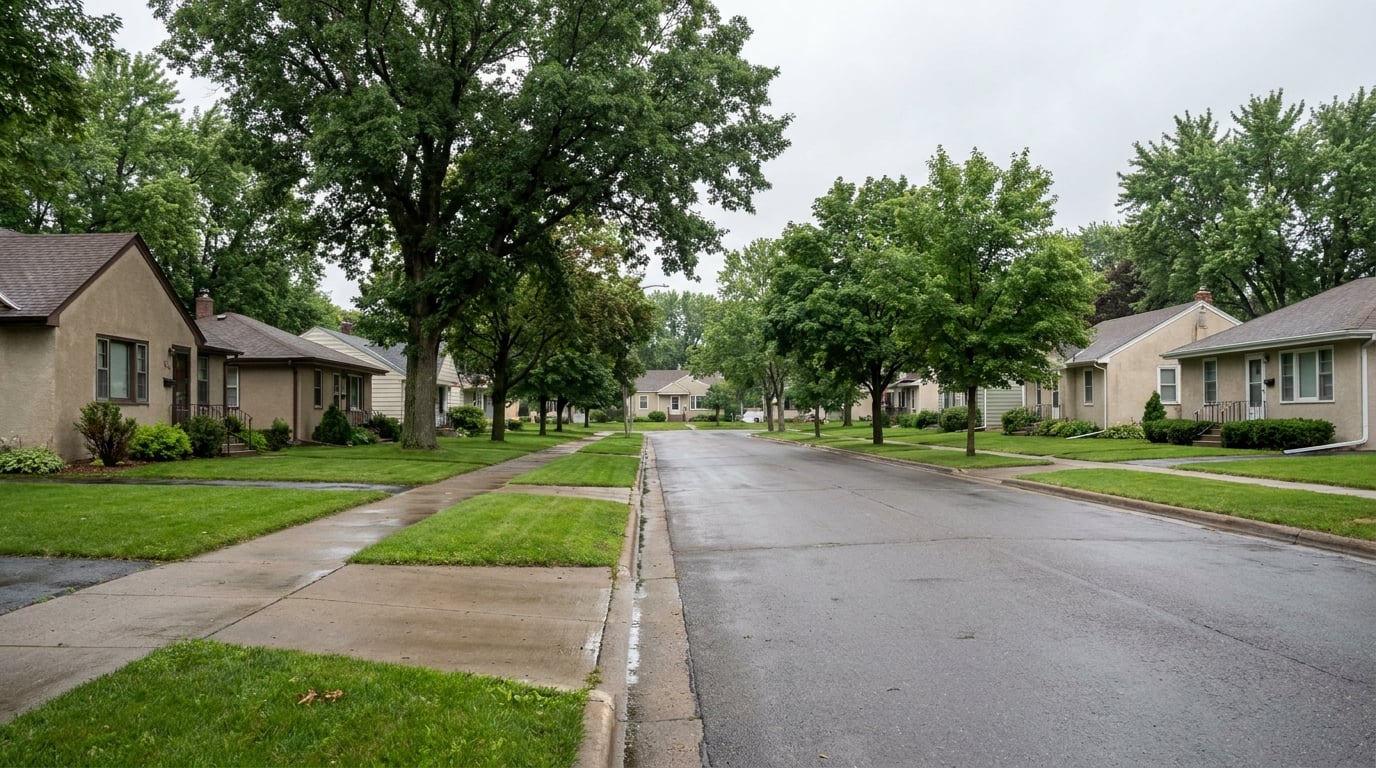
This is where most neighborhood guides run out of room, and honestly, it's where the most useful buyer information lives.
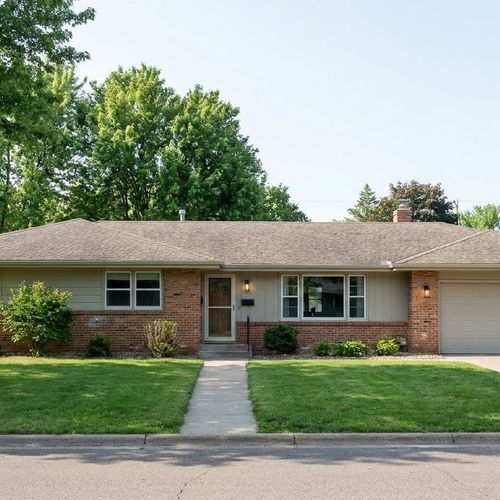
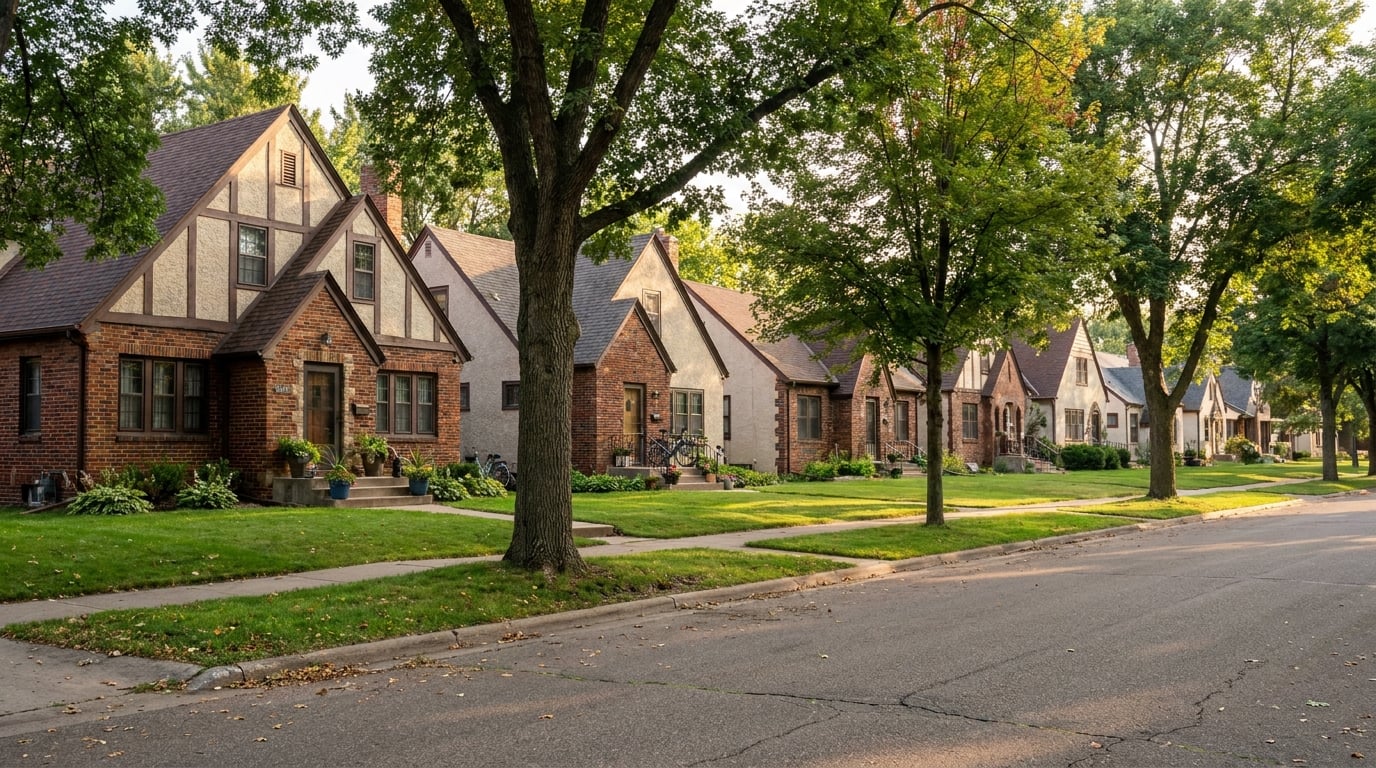
Most of the housing stock was built between 1910 and 1950. The north side has many post-war bungalows. In the western parts of the neighborhood, you'll see more 1920s Craftsman homes and 1930s Tudors, often with a bit more square footage. Near the lake and along West Como Boulevard, you'll find older homes dating to the 1880s and 1890s, including some beautiful Queen Anne-style properties.
Architectural labels are interesting, but they don't tell you how a home actually lives. Before getting too attached to a style, here are the things I'd actually compare:
- Upstairs headroom and upper expansion: Older bungalows often have finished upper levels with low ceilings, but when that space has been expanded well, it can be a huge bonus. The square footage is there on paper, but how usable it feels in person matters.
- Garage situation: Detached single-car garages are the norm, so a true two-car garage is a real plus. Some homes have off-street parking with no garage at all.
- Construction details: In many 1930s-and-later homes, steel I-beam construction is another nice bonus. It's one of those behind-the-scenes details buyers may not notice right away but can absolutely be a plus.
- Additions and permits: A lot of these homes have been expanded over the decades. The quality and documentation of that work varies considerably.
- Drainage and foundation: Streets closer to the lake deserve extra attention. Water intrusion history is worth asking about specifically.
The home that photographs beautifully might have a finished basement with no permit history and an electrical panel that hasn't been touched since the Eisenhower administration. The less exciting listing might have had everything done properly. I'd rather help a buyer understand that difference than go by curb appeal.
How Walkable and Convenient Is Como Park?
Walk Score numbers tell part of the story here, but not all of it.
The park itself is a genuine draw for walking and cycling. A lot of residents use the lake loop trail regularly, and that's real quality of life. Recreational walkability in Como Park is legitimate.
Errand walkability is a different question. Most addresses require a car for groceries, hardware, or most shopping. The commercial pockets along Lexington and Larpenteur cover some basics, and Roseville's shopping corridors are close for homes near the northern boundary.
For transit, Routes 3 and 83 connect toward downtown Saint Paul and Minneapolis. How useful those routes are depends on where you live within the neighborhood. Metro Transit's planned H Line along Snelling Avenue is currently scheduled for construction around 2028-2029, so that's future context, not something you can count on today.
For commuters, Como Park's location is genuinely central. You can get to both downtown Saint Paul and downtown Minneapolis without relying on the highway system, which is part of the neighborhood's everyday convenience. Highway 36 and I-35E are also accessible without a complicated route if you do need them. That part of the Homes.com guide holds up.
What Should Como Park Buyers Verify Before an Offer?
This is where I'd slow down and do some homework, especially with an older home.
A few sections below cover schools and TISH reports in more detail, but the broader checklist at the offer stage looks like this:
| Item | What to Check |
|---|---|
| School placement | Contact SPPS directly; proximity doesn't equal enrollment |
| Inspection | Hire your own inspector regardless of what the TISH says |
| Permit history | Pull city records for additions, finished space, electrical, and plumbing |
| Sewer scope | Request a camera sewer inspection on most older homes |
| Block visits | Walk or drive the block at different times, including a weekend in park season |
| Disclosures | Read the TISH and seller disclosures carefully, then ask follow-up questions |
The improvements that matter most to buyers and to resale aren't always the ones that photograph well. A fresh kitchen backsplash is easy. A 1930s electrical system that hasn't been properly updated is not.
If a house already has an updated sewer line, a liner, or a radon mitigation system in place, that is real value. Not exciting cocktail-party stuff, but absolutely the kind of thing that can save you money, lower your risk, and make a house feel like a smarter buy.
How Does SPPS School Selection Work?
Saint Paul Public Schools uses attendance areas for some schools, but placement isn't guaranteed just because you bought a house nearby. The district has a school selection guide that explains the application process, placement priorities, and transportation eligibility. If a specific school matters to your family, contact SPPS directly before making an offer, not after.
What Does a TISH Report Cover?
A Truth-in-Sale of Housing (TISH) report is a city-required disclosure for most Saint Paul home sales. It documents observed conditions at the time of a city evaluator's inspection and is generally valid for 365 days or one sale. It is not a substitute for your own buyer's inspection. Think of a TISH as a starting point, not the whole picture.
Which Permit and Sewer Records Matter?
Pull the city's permit history before you close. Finished attics, basement bedrooms, electrical panel upgrades, and plumbing changes all leave a paper trail if they were done with proper approval. When the finished space doesn't match what's on record, that's a conversation worth having before you're under contract.
On sewer: in Saint Paul, homeowners are responsible for the lateral line from the house to the public main. A sewer scope is a reasonable request on most older homes here, and finding a problem before closing is a lot better than finding it six months later. If the line has already been replaced or lined, that is worth verifying because it can be a meaningful plus.
On radon: if a mitigation system is already in place, ask when it was installed, whether any post-install test results are available, and how the system has been maintained. It is another one of those behind-the-scenes improvements that matters a lot more than buyers sometimes realize.
Is Como Park a Good Fit for Your Priorities?
For the right buyer, it genuinely is a great neighborhood. Park access that most Twin Cities neighborhoods can't match, an established character that newer developments simply don't have, reasonable proximity to both downtowns, and a range of housing at a range of price points.
The tradeoffs are real too. Older homes take maintenance. Some streets deal with visitor parking pressure. Errand convenience varies. School placement takes some legwork to verify.
What I'd tell anyone seriously considering Como Park: don't just evaluate the neighborhood label. Evaluate the specific block, the specific house, and the specific ownership picture. Two homes a quarter mile apart here can be very different buying decisions, and that's exactly the kind of thing worth talking through before you fall in love with a listing.
Reach out at hartmannteam.com if you want to compare specific streets or dig into what's currently on the market.
Frequently Asked Questions About Como Park
Is Como Park the Same as South Como or Como in Minneapolis?
No. Como Park refers to Saint Paul's District 10 neighborhood, which is separate from the South Como area and entirely distinct from the Como neighborhood in Minneapolis.
Are Any Como Park Homes Truly Lakefront?
No. Homes around Como Lake do not have actual shoreline or private docks. Some properties sit close to the lake and a few may have partial views, but the shoreline is separated from homes by parkland and public road frontage.
Are State Fair Parking Permits Required on Every Street?
No. Restrictions vary by street. The Area 29 permit zone covers certain Como Park streets with seasonal restrictions from May through September, and one-day hangtags aren't valid during the fair itself. Check your specific address against the city's permit map.
Are Condos and Townhomes Common in Como Park?
They exist, but the selection is pretty limited compared with detached single-family homes. If attached housing is what you're after, nearby Roseville usually has quite a few more condo and townhome options to look at.
Check out this article next